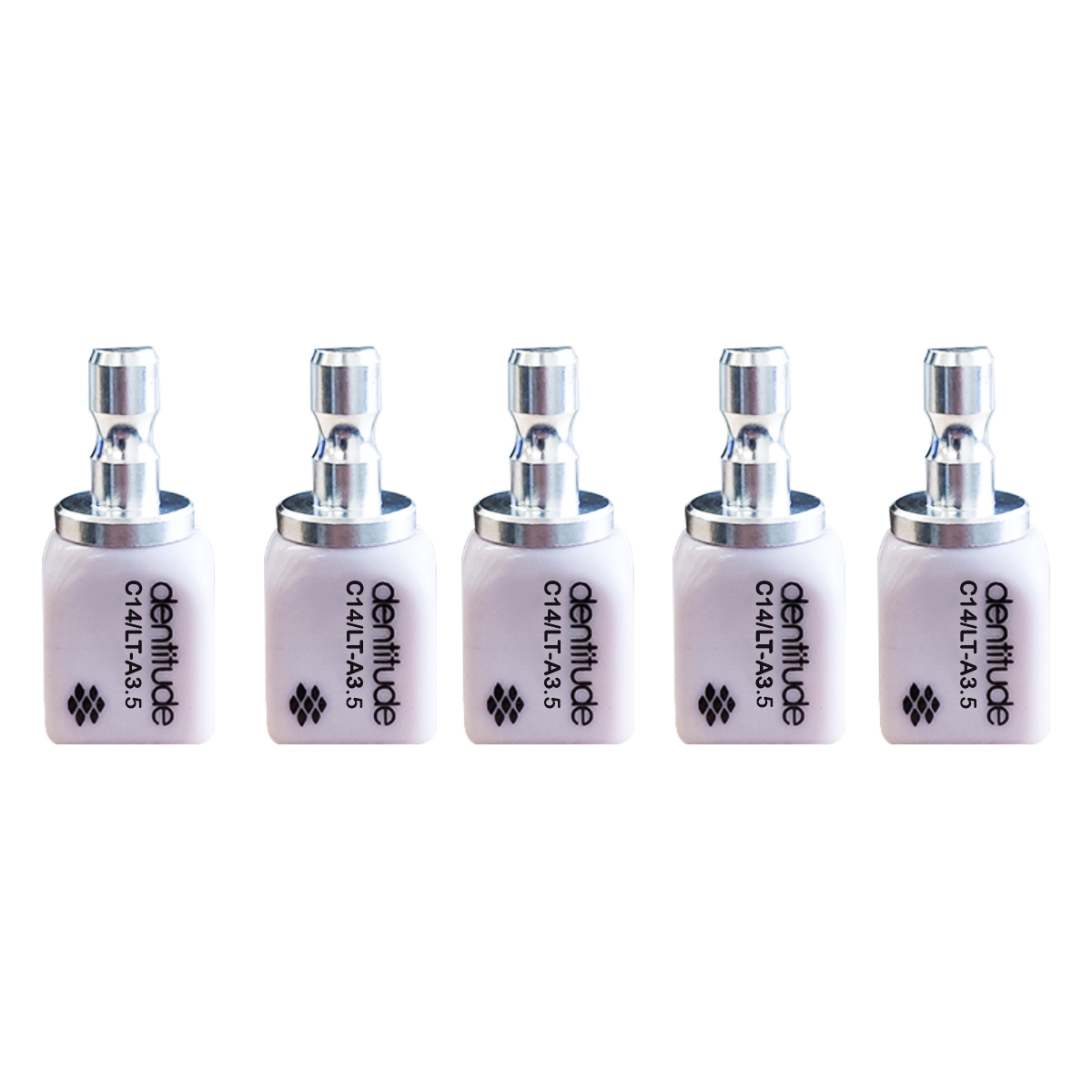
Digital Impression:
- Capture a precise digital impression of the patient’s tooth or target area using an intraoral scanner
- Ensure accurate scanning for optimal restoration design
CAD Design:
- Import the digital impression into CAD software
- Design the restoration (veneer, inlay, onlay, crown, etc.) according to patient-specific requirements
Material Selection:
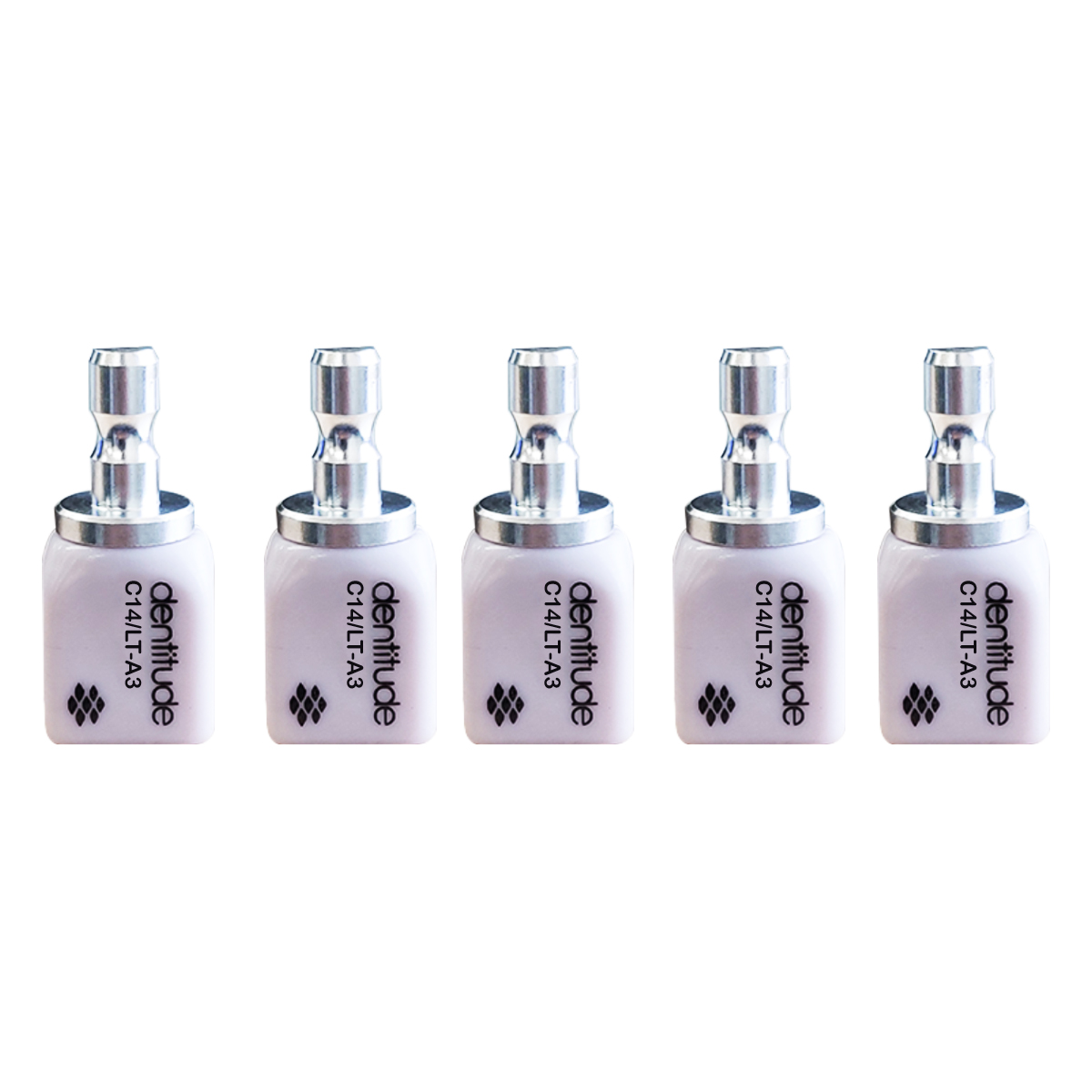
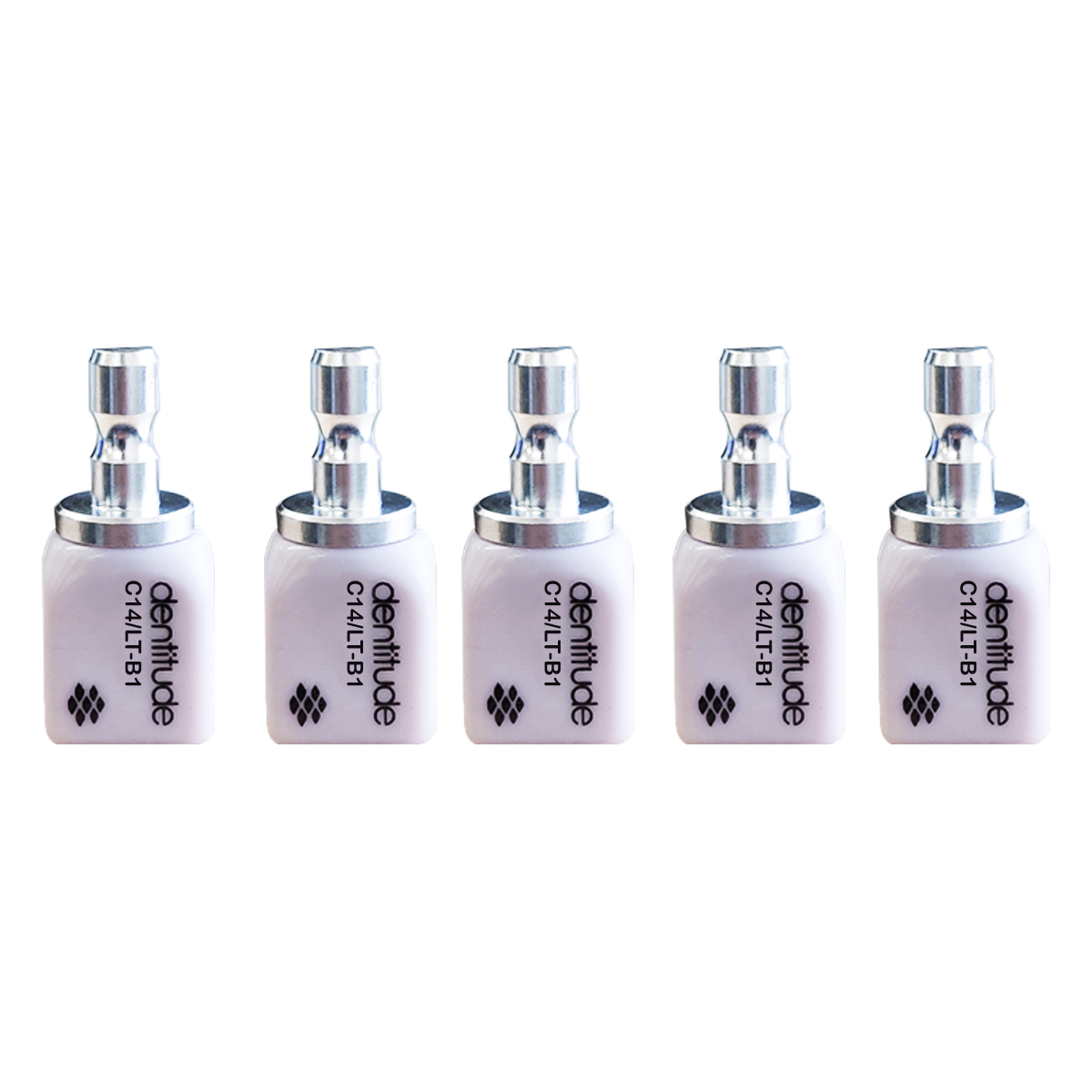
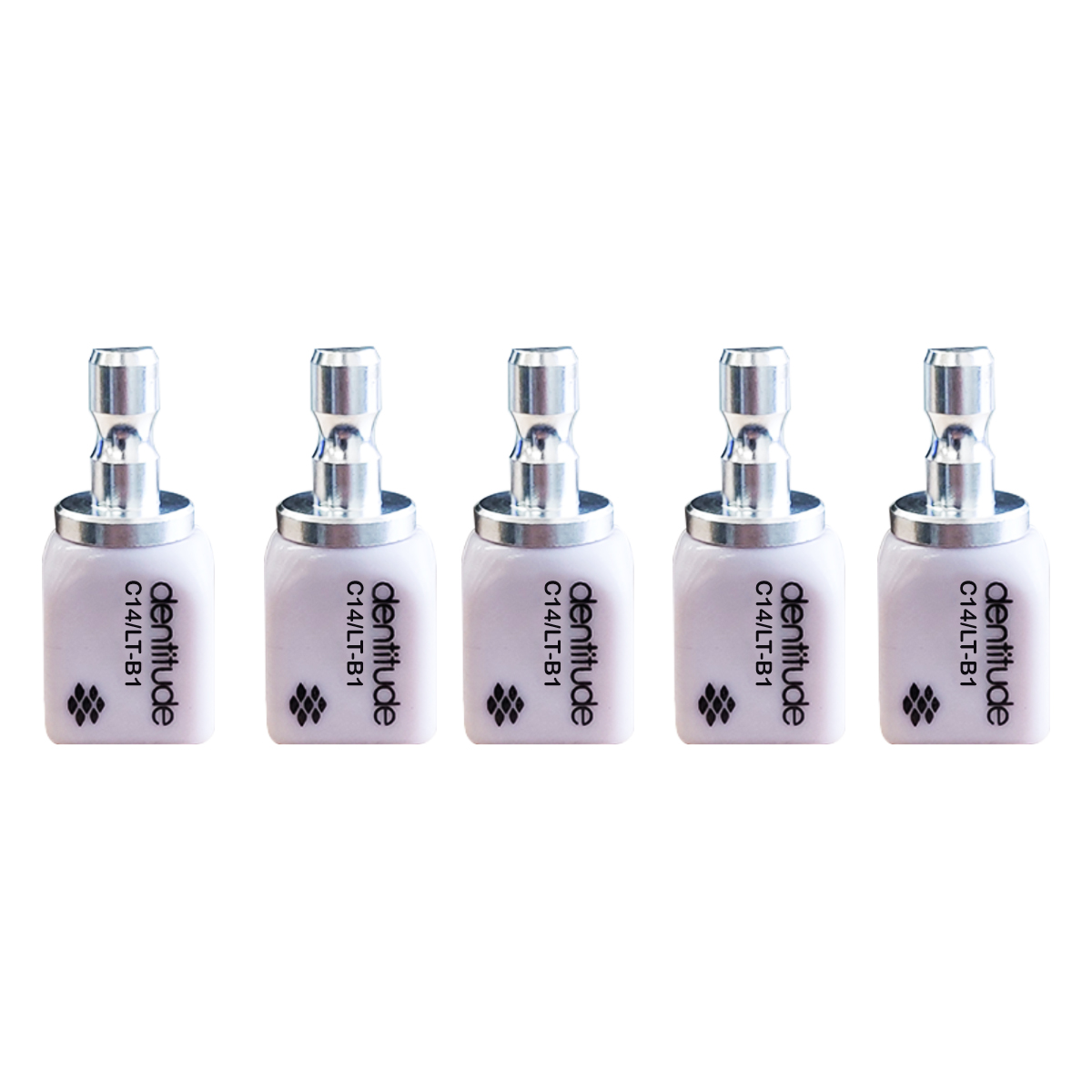
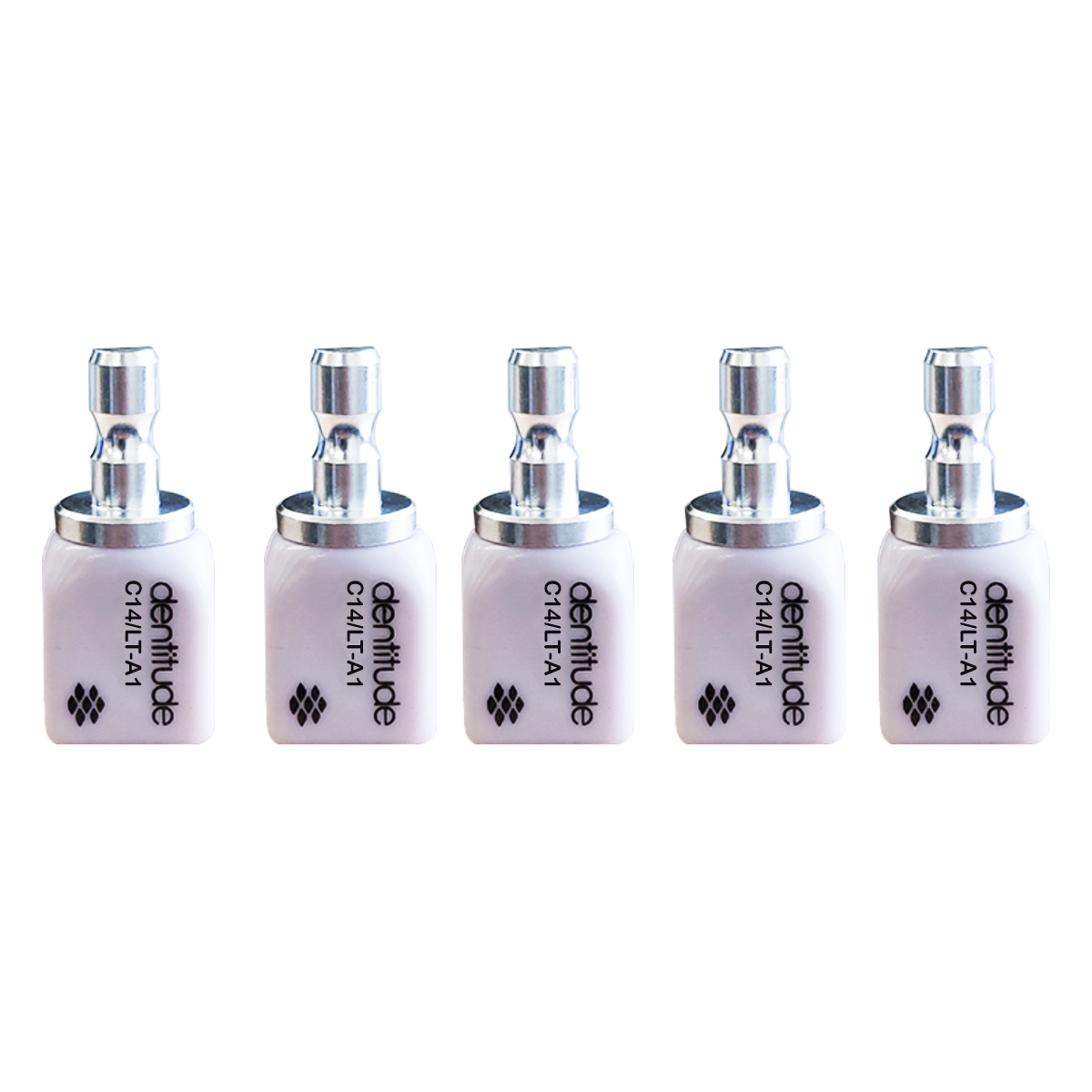
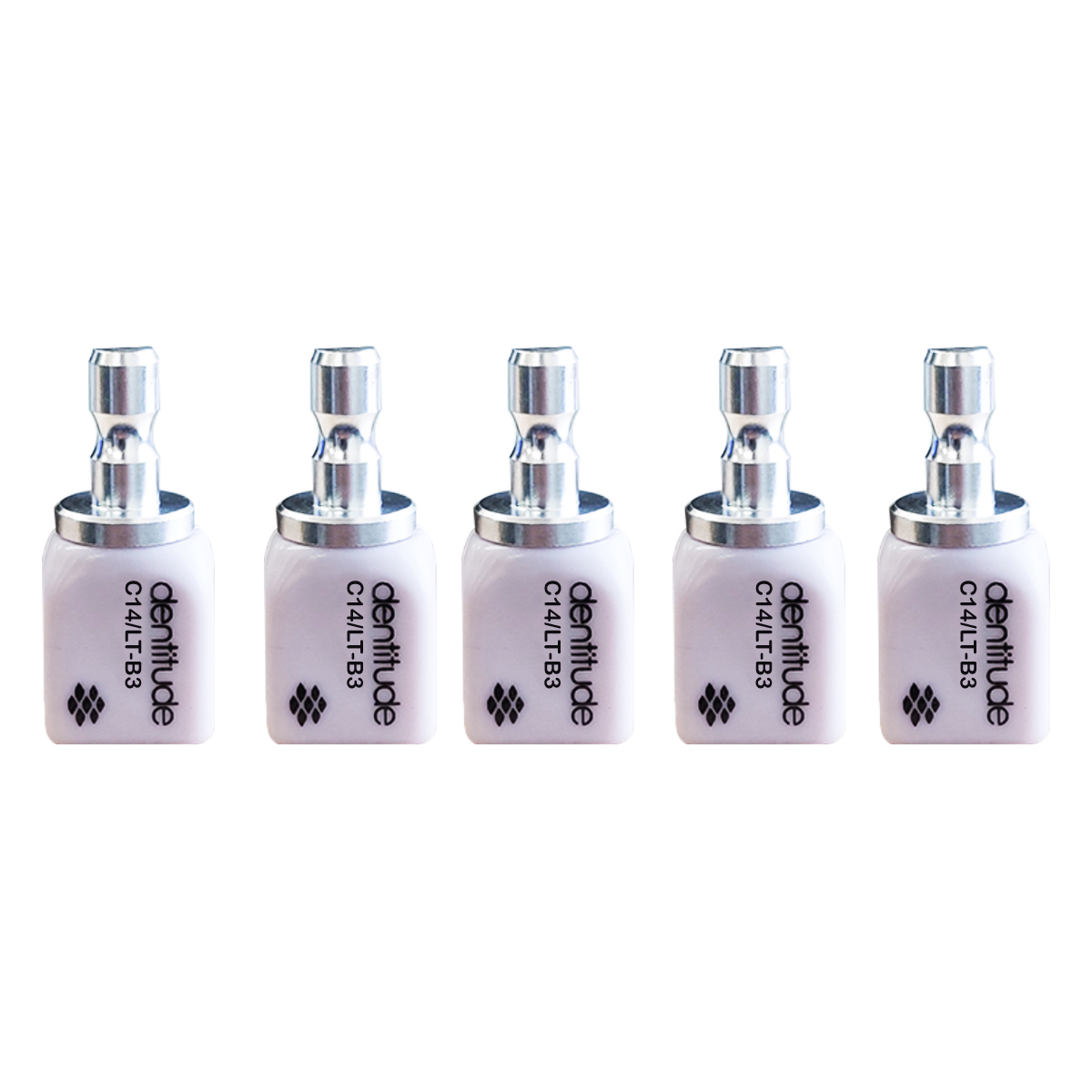
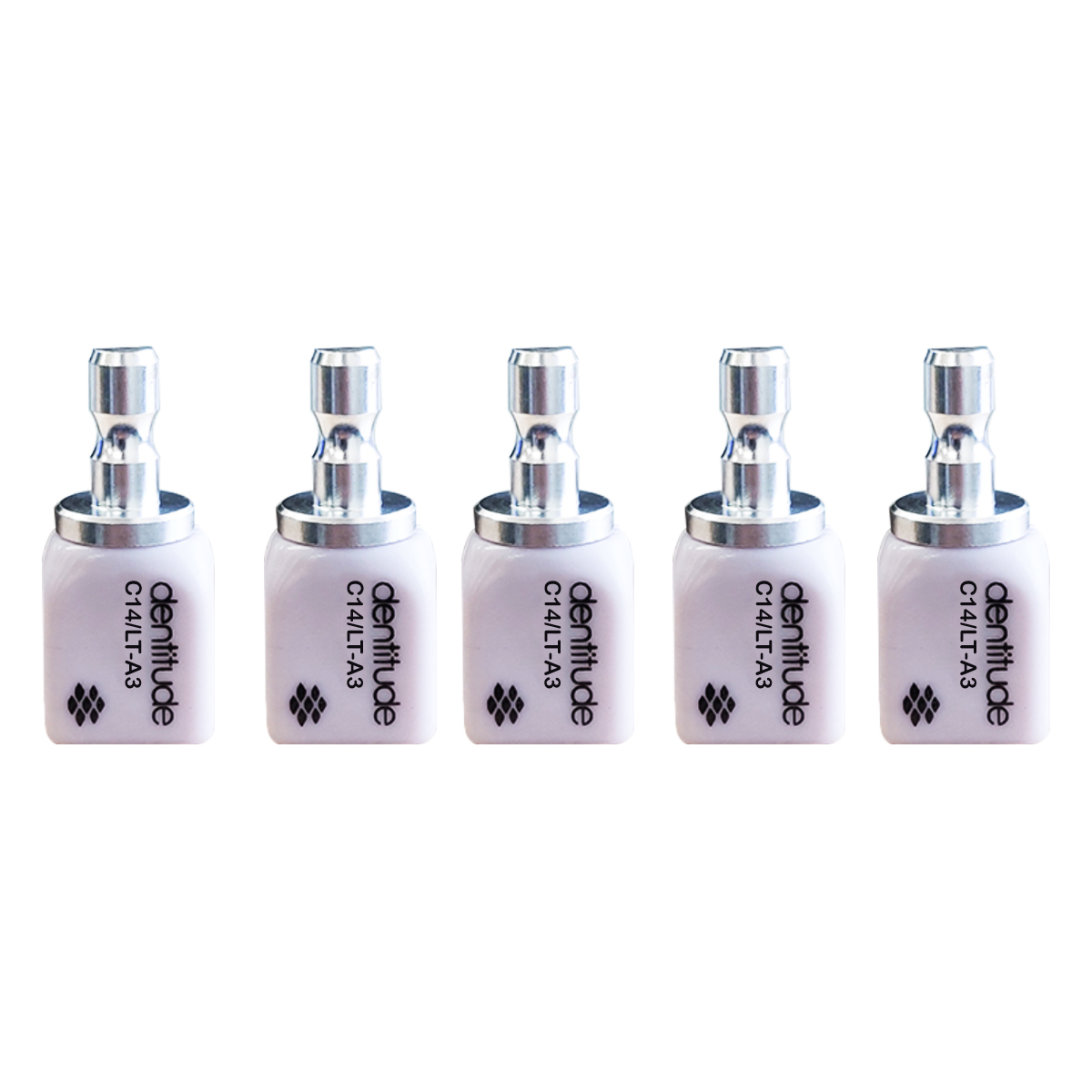
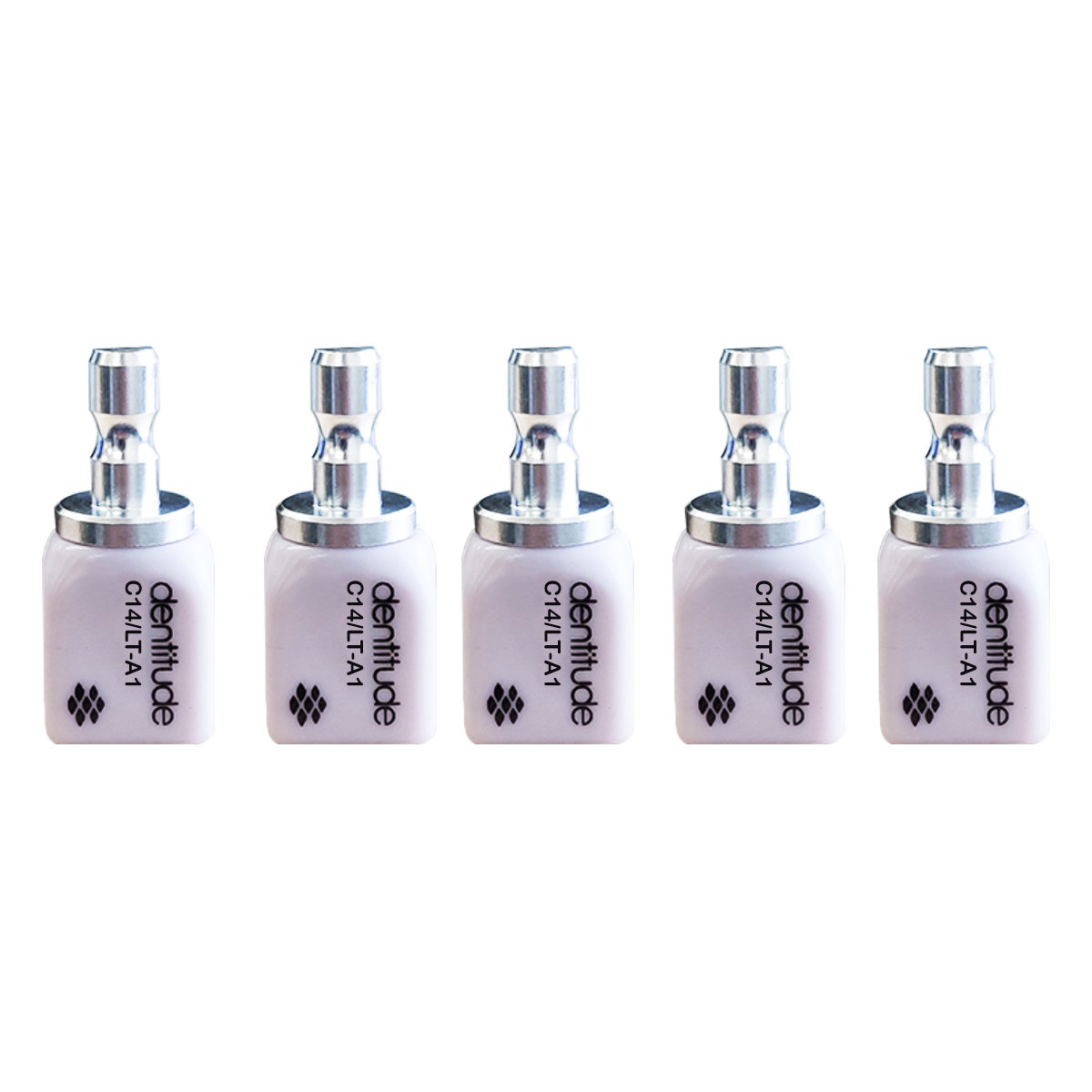
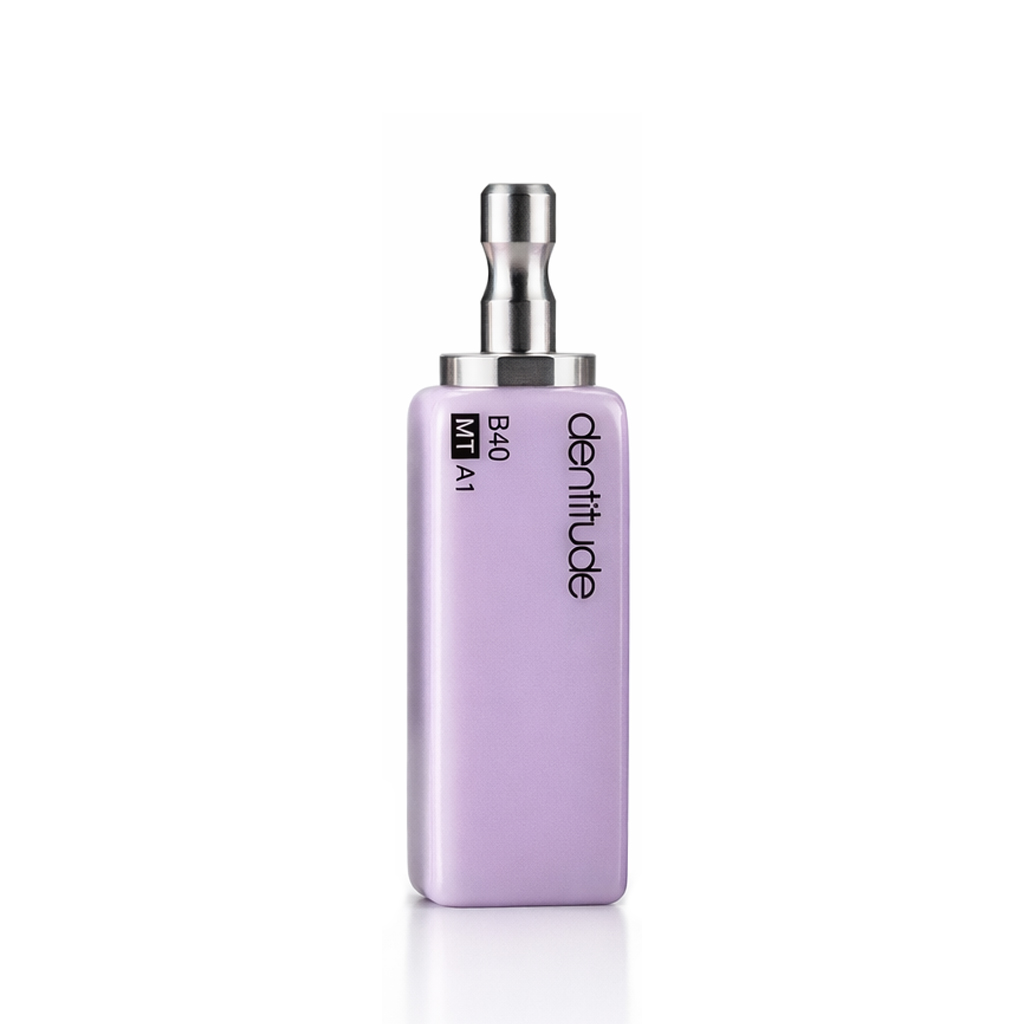
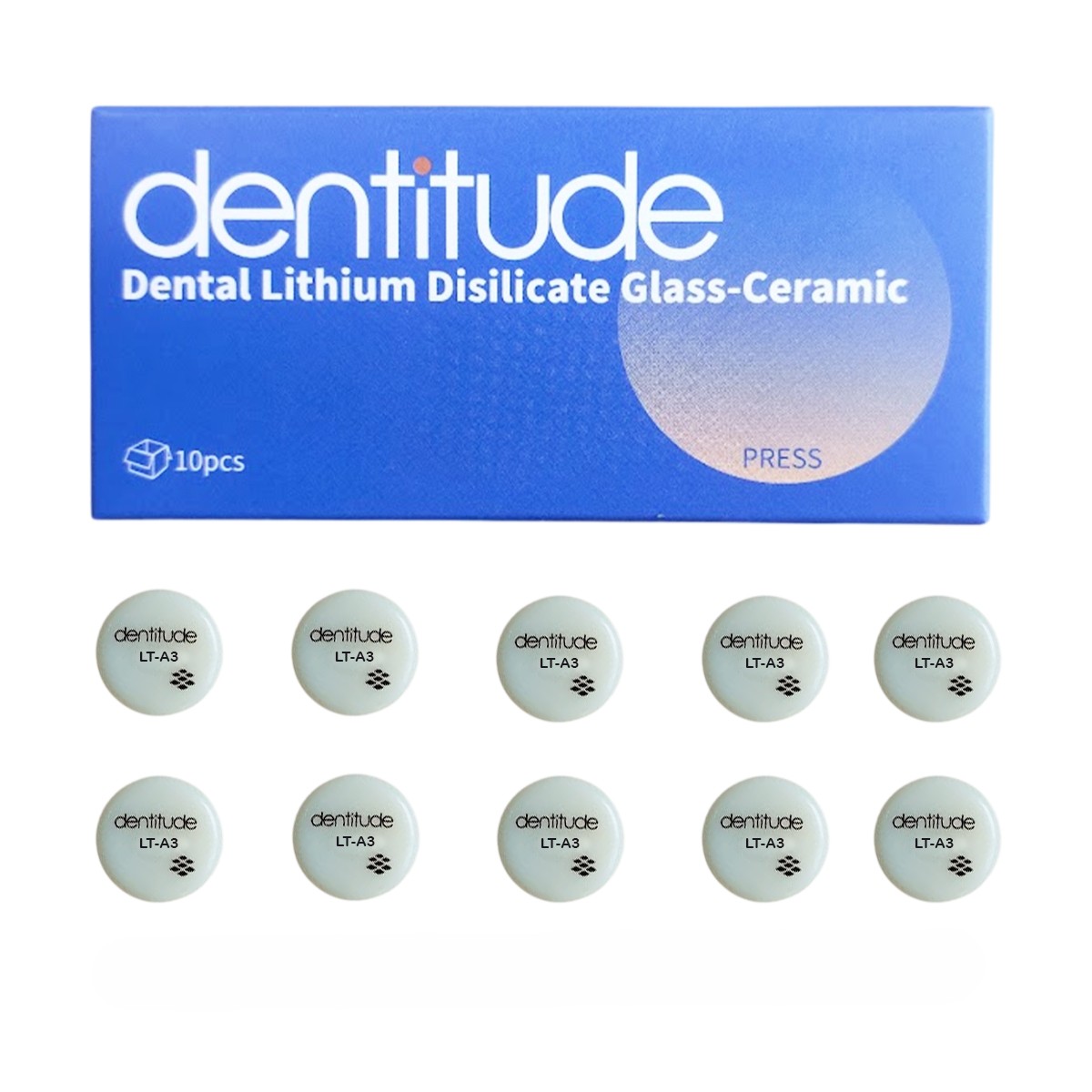
- Choose the appropriate shade and size of the Dentitude Glass Ceramic CAD-CAM block
- Ensure the selected block aligns with the desired aesthetic and functional properties
Milling:
- Load the chosen CAD-CAM block into the milling machine
- Set milling parameters according to the block’s specifications
- Mill the restoration with high precision following the CAD design
Sintering (Crystallization Firing)
- Carefully remove the milled restoration and place it in a sintering furnace
- Follow the specific temperature and time settings for optimal crystallization:
- Start at 403°C with a 2-minute drying phase
- Heat at 90°C per minute for 4.7 minutes until reaching 830°C
- Hold for 10 seconds, then increase to 850°C at 30°C per minute for 7 minutes
- Allow natural cooling by opening the furnace cover
Finishing & Polishing
- Remove any residual support structures
- Use fine-grit polishers and ceramic finishing tools to refine the surface
- Achieve the desired gloss and translucency with a final polishing step
Cementation
- Thoroughly clean the restoration before cementation
- Apply a suitable adhesive or dental cement based on the restoration type
- Follow standard cementation protocols for bonding to the natural tooth structure
Post-Processing Care:
- Provide the patient with post-treatment care instructions
- Advise on proper oral hygiene practices to maintain restoration longevity